How can Nature-based Solutions cool forest climates?
During today's extreme heatwaves, an increasingly important question is how water can be used to cool ecosystems and whether sufficient water can be retained in the landscape to mitigate extreme summer temperatures. These questions are also being addressed by LAND4CLIMATE. The project is collecting extensive data and testing practical solutions at selected pilot sites to develop methodologies that can transform scientific knowledge into systemic measures for increasing landscape resilience to climate risks.
During today's extreme heatwaves, an increasingly important question is how water can be used to cool ecosystems and whether sufficient water can be retained in the landscape to mitigate extreme summer temperatures. These questions are also being addressed by LAND4CLIMATE. The project is collecting extensive data and testing practical solutions at selected pilot sites to develop methodologies that can transform scientific knowledge into systemic measures for increasing landscape resilience to climate risks. Several demonstration projects have already been implemented in the Košice region, providing valuable insights into how landscapes can become more resilient to climate change. Because the positive role of forest ecosystems in regulating local climate has received considerable attention in recent years, People and Water (P&W) compared the thermal conditions of two similar forest ecosystems: one without Nature-based Solutions (NbS) and another where such measures had been implemented. At noon on 28 June, the air temperature in the shade in the Košice forests reached 35.4°C; in the forest without NbS, the temperature at the bottom of a dry ravine was 35.0°C. Tree trunks near the ground surface were 3–5°C cooler, suggesting that the roots were still supplying water to the trees despite the severe depletion of soil moisture. In the tree canopy, temperatures were similar to the average temperature of the forest stand. Random measurements indicated an average stand temperature of 32.64°C.

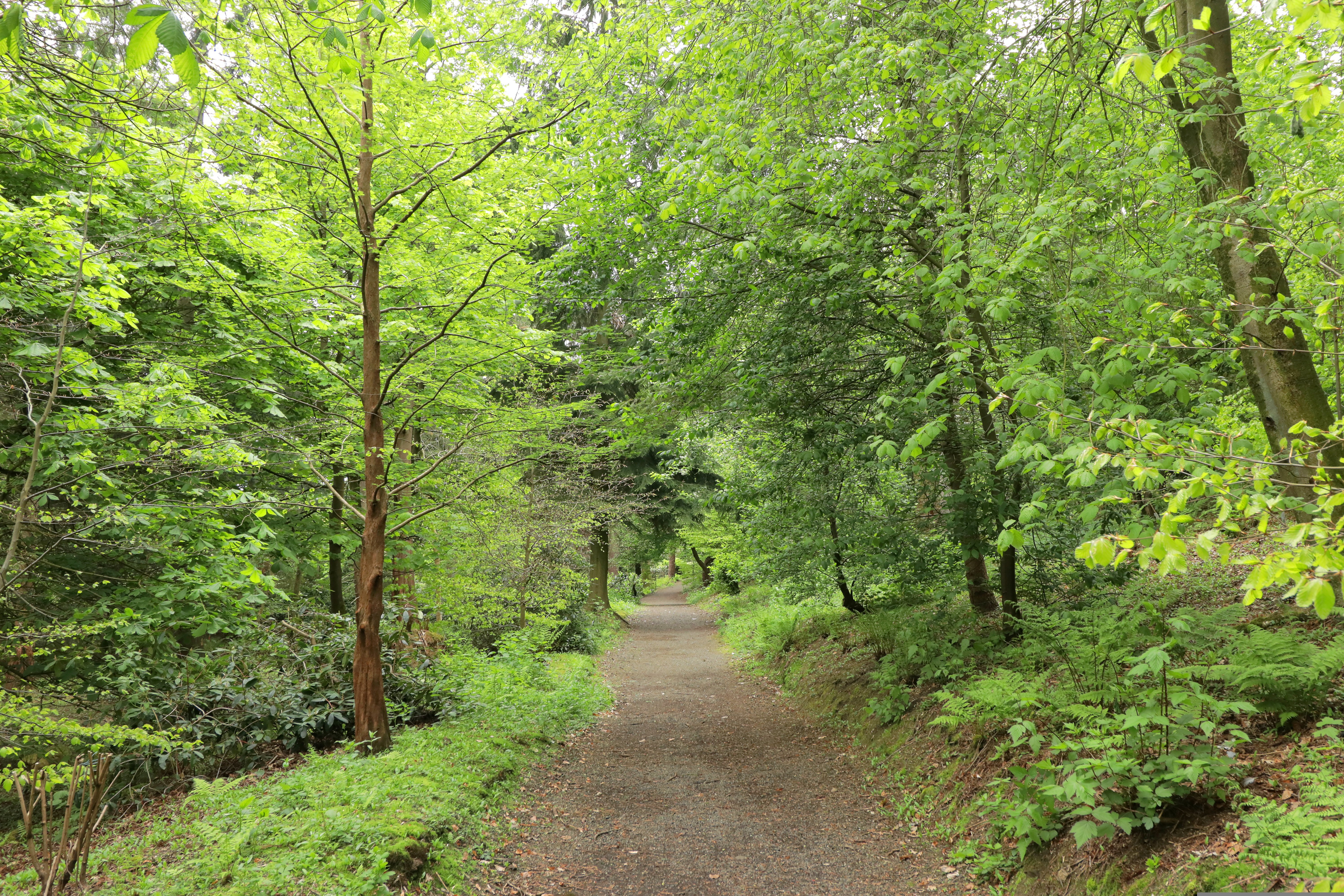
The Košice forests also include a site where NbS have been implemented. These measures were constructed by participants of the international educational programme Citizen and Public Expertise for Restore and Balanced Flow of Water to the Landscape, supported by the Erasmus+ Programme. The temperature differences were remarkable. At the bottom of the ravine, the temperature was only 20.1°C. Tree trunks near the ground measured 26.7°C, while the forest stand above ground reached 29.7°C. The average temperature of the forest stand was 27.04°C—more than 5.5°C lower than in the comparable forest where NbS had not been implemented.

When entering this forest, a pleasantly cool microclimate was perceived. This cooling effect was completely absent in the dried-out forest stand. Such observations suggest that restoring the landscape's natural water retention capacity can significantly enhance the cooling function of forest ecosystems. A discussion on how to apply these findings is also emerging within the SystR project , with the aim of integrating them into practical forest management, particularly in privately owned forests, which cover approximately 700,000 hectares in Slovakia. This raises an important question: if NbS were implemented across this entire area, could they reduce temperatures in privately owned forests by approximately 5.5°C during summer heatwaves? And what impact could the systematic implementation of these measures have across Slovakia's forests, which cover roughly five million hectares? Could they contribute to reducing average summer temperatures by as much as 0.78°C? What do climate change models suggest about this hypothesis?
This article was written by Michal Kravčík from LAND4CLIMATE consortium partner P&W
Publishing date: